
Dr. Anthony H. Brown, MFA, Ph.D, BCC
Artist Statement:
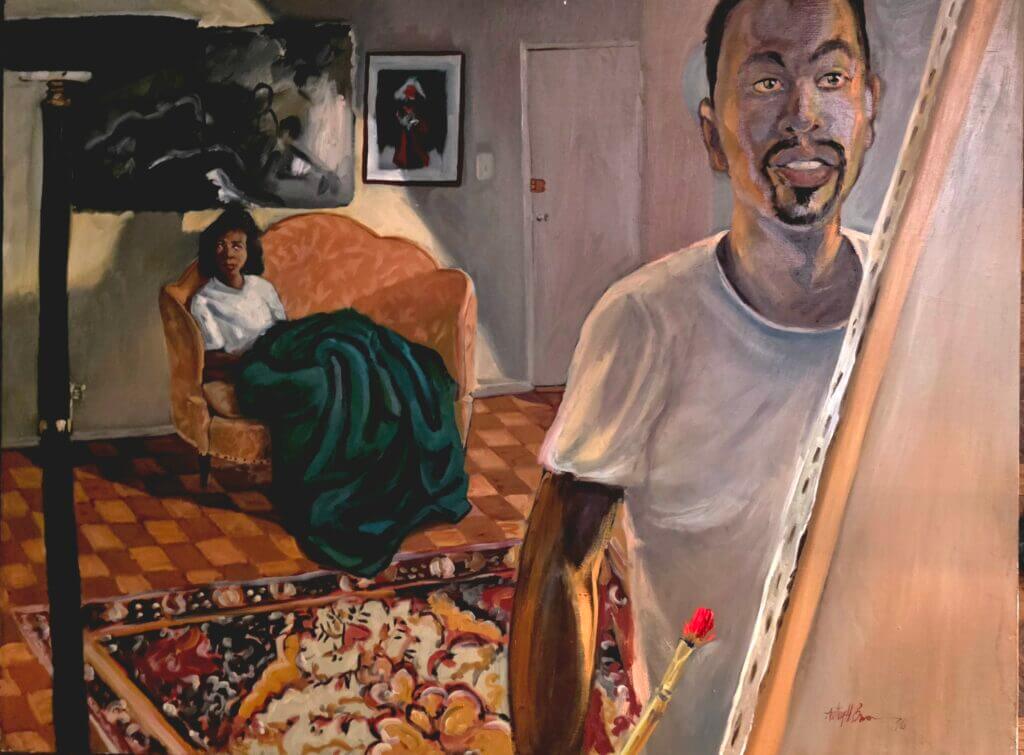
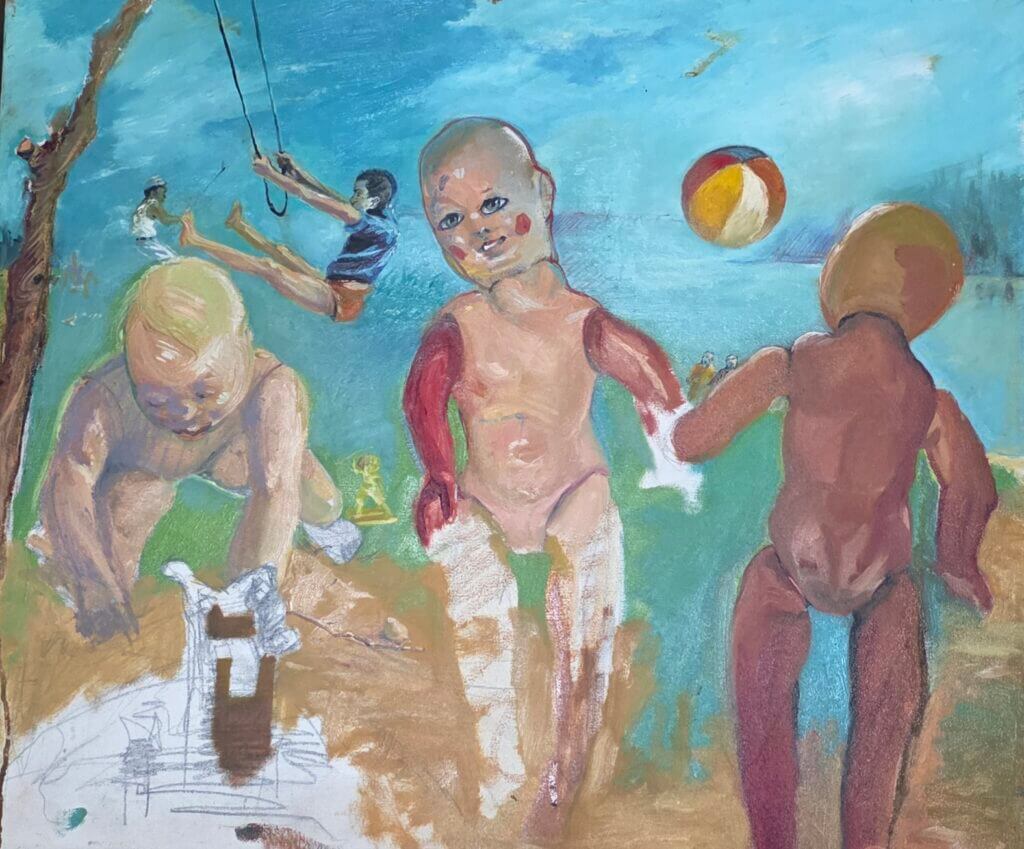
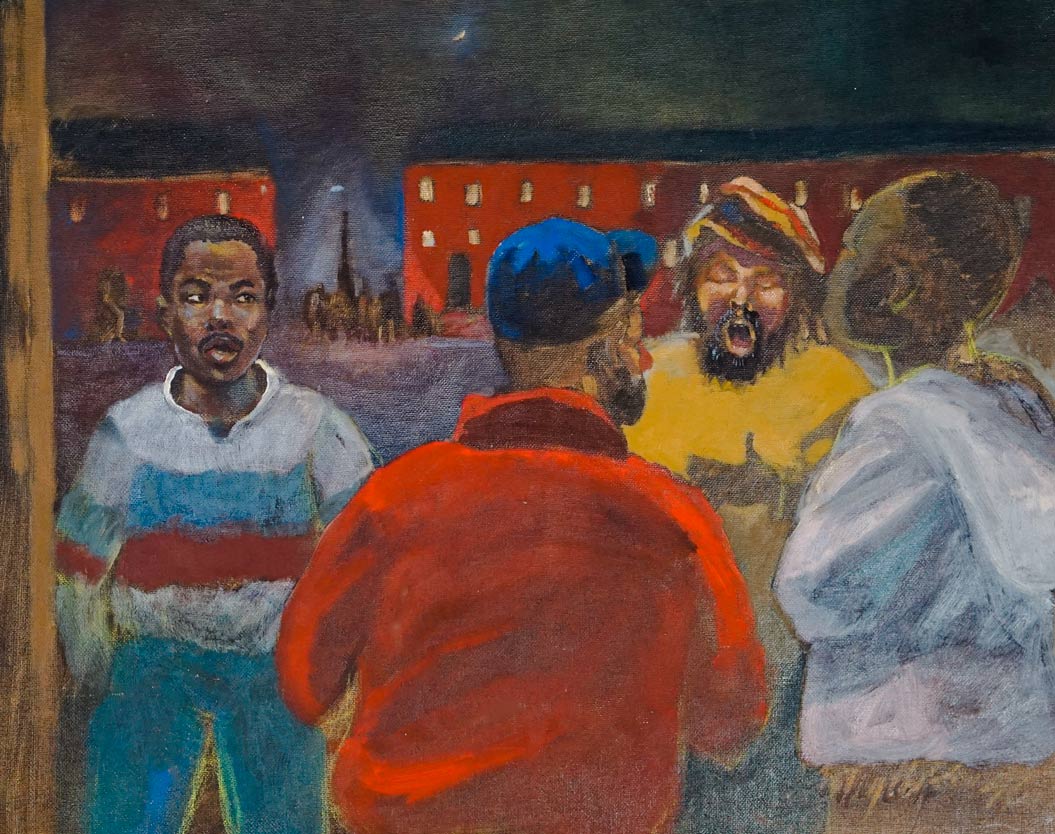
My artworks offer an alternate view of visual reality. That they provide a peek into my thinking, while also inviting you to find comfort in the idea that art can support emotional well-being. The goal is to demonstrate that viewing and creating visual art can evoke meaningful emotional responses and foster healing. Art serves to cultivate healing properties and a language. A language that asks whether artworks are only decorative or serve as a vehicle for healing properties. I call these healing properties psychological effects.
The psychological effects, emotional responses, and healing properties of experiencing art are what led to questioning visual reality. Change is among the first signs of healing beginning. When these answers are pursued, art as a healer offers a path toward understanding and connection. I seek to exhibit art that explores the psychological effects of an artist's creative experience as a source of reflection, projection, and healing. The artistic image, sound, and movement engage our natural senses, evoking laughter, tears, smiles, dance, or creation. Artistic creation is an individualized expression, deeply personal, and sometimes a shared experience. This individualized nature of artistic creation is crucial, as it respects and acknowledges each person's unique experiences and perspectives, making them feel valued. It’s a psychological, individualized response interpreted as something moving, new, and reflective. Art is considered unique to each of us; it is something creative people with special talents or gifts believe in.
- Talents are intuitive skills, methods, and techniques one naturally acquires and improves through hours of practice. These people generally use the same skills, strategies, and approaches to demonstrate their talents. Thus, one's talents can become a rigid display of artwork in which every image looks the same. We define this as a style or pattern that identifies how a person uses their talents.
- Gifts are an unexplainable nuance that extends beyond talents (using techniques). Gifted people tend to be innovative, unbounded by static methodologies, and have an astonishing range of vision and insight. These people generally do not apply the same approach to every demonstration of their gift. Thus, the gift becomes an original display of each new artwork, rather than a style of the person's use of their gift.
Centuries ago, images were used for communication and to document historical events. Today, we continue to value visual imagery as a form of entertainment, much as we do music and dance. This belief is so ingrained in our culture that we consider almost everything we see, hear, and think of as a form of visual, auditory, or sensory art.